Creating a Bird-Friendly Balcony: A Step-by-Step Guide
October 08, 2026 - Garden Birds

October 08, 2026 - Garden Birds

October 06, 2026 - Conservation
September 24, 2026 - Bird Species
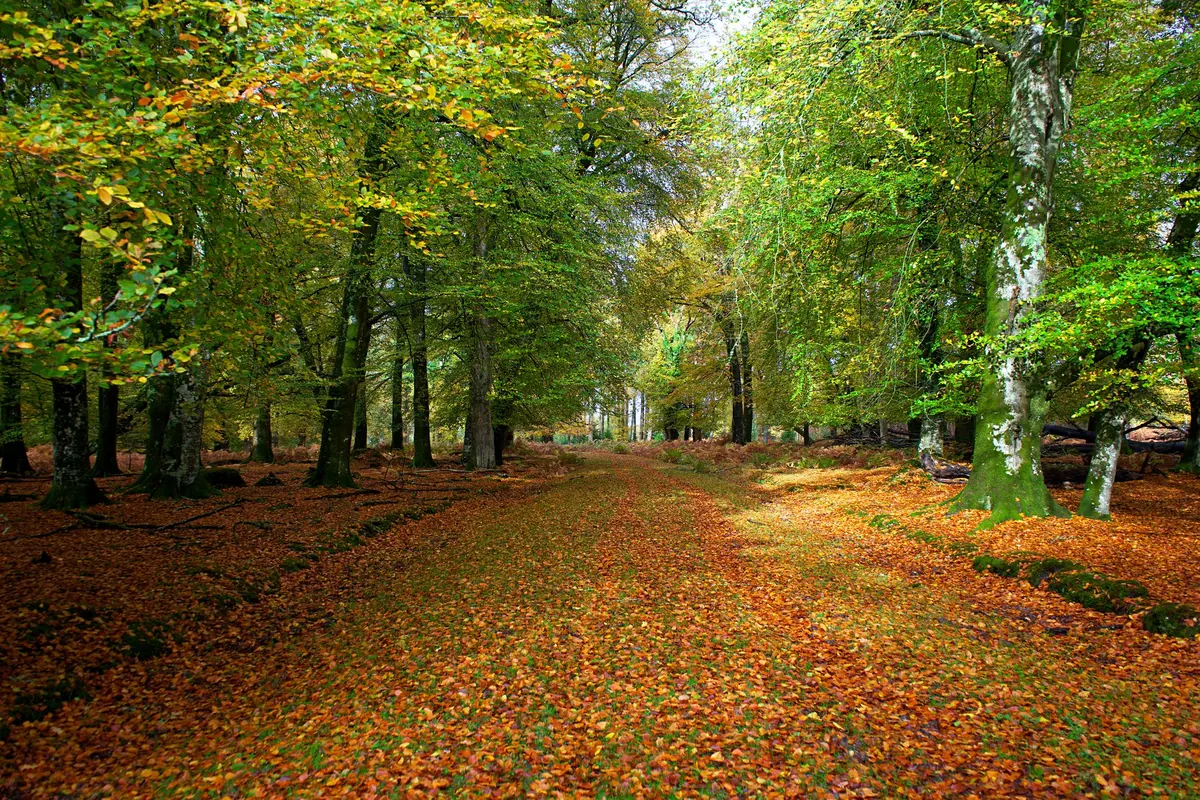
A Weekend Birdwatching Trail in the New Forest: 5 Best Spots
The New Forest squeezes an unusual range of habitats into a small corner of Hampshire: flooded gravel pits, Solent saltmarsh, ancient pasture woodland, Victorian conifer plantations and open heath. That variety is why a weekend here can turn up a Dartford warbler at dawn and a flock of Brent geese by mid-afternoon. The five sites below form a two-day trail, beginning in the north-west and finishing on the open heath most visitors picture when they think of the New Forest.
Start at Blashford Lakes, just north of Ringwood, where a complex of former gravel pits has been transformed into one of Hampshire’s best inland bird reserves. The site is managed by Hampshire and Isle of Wight Wildlife Trust and combines open water, reedbed, wet woodland and mature hedgerow. Because it sits on the edge of the Avon Valley, it acts as a magnet for passage migrants and wintering wildfowl.
Arrive before sunrise if you can. The first light catches the mist on Ivy Lake and Ellingham Lake, and the hides are usually quiet. Head for the Tern Hide first, then work your way around to the Woodland Hide and the Ivy North Hide. In winter, look for goldeneye, goosander, tufted duck, pochard, wigeon and teal. Great crested grebes perform their courtship dances in early spring, while little egrets stalk the margins and water rails squeal from the reeds.
Allow two to three hours here. The paths are level and well surfaced, making this the easiest site of the weekend. If you have time, check the feeders near the Woodland Hide for lesser redpoll and reed bunting.
From Blashford, drive south through the forest to the Solent coast. Keyhaven and Pennington Marshes form a narrow strip of saltmarsh, lagoons, gravel banks and sea wall between Lymington and Milford on Sea. This is a landscape of big skies and shifting tides, and it is one of the best places in southern England to watch waders and wildfowl.
The key is to time your visit with the tide. Two hours either side of high tide pushes birds off the mudflats and onto the lagoons, where they come close to the sea wall. If you arrive at low tide, you may find the lagoons quieter, so use the time to scan the Solent for divers, grebes and sea ducks.
Keep one eye on the tide and one on the sky. At Keyhaven, the best moments often come when the water is moving and the light is low.
Park at the Keyhaven car park or the Pennington Marshes car park, then walk the sea wall. The full circuit is about four miles, but you can shorten it easily. Bring a scope if you have one: the distances across the lagoons can be deceptive.
Begin day two in the heart of the forest. Bolderwood is famous for its ancient pasture woodland, where beech and oak have been grazed by commoners’ livestock for centuries. Nearby, the Canadian War Memorial and Blackwater Arboretum add stands of mature conifers and ornamental trees. The mix is perfect for woodland specialists.
Park at Bolderwood car park and walk the Jubilee Grove and Radnor Trail. Early morning is best: the forest is silent apart from birdsong, and deer often graze on the lawns. Listen for the high, thin calls of goldcrest and firecrest in the conifers, and watch for treecreepers spiralling up oak trunks.
Allow two hours. The paths are mostly gravel and can be muddy after rain. This is also a good place to see fallow deer and, if you are very lucky, a hawfinch in winter.
From Bolderwood, drive south-east to Acres Down, a classic New Forest viewpoint where woodland drops away to open heath. This is the best site on the trail for raptors. In spring and summer, thermals rise early, and buzzards, kestrels and sparrowhawks are almost guaranteed. With patience, you may see goshawk, hobby or even a passing osprey on migration.
Acres Down can be exposed, so carry a windproof layer. The heath is fragile: stay on the main tracks and keep dogs close, especially during the ground-nesting season from March to July.
Finish the weekend on the open heath around Hatchet Pond and Beaulieu Heath. This is the New Forest of postcards: purple heather in late summer, gorse in bloom, scattered pines and wide skies. It is also prime Dartford warbler country. These small, dark, long-tailed warblers skulk in dense gorse, but their scratchy song gives them away.
The New Forest heath is not empty space. It is a habitat as specialised as any woodland, and the birds that live here depend on quiet, undisturbed evenings.
Park at Hatchet Pond or one of the small heath car parks. As the light fades, the heath becomes magical: nightjars churr, bats flicker over the water and the first stars appear. This is the perfect end to a weekend that has moved from gravel pit to saltmarsh to ancient wood to open heath.
Every season has something to offer. Winter brings Brent geese, wildfowl and raptors to the coast and lakes. Spring is best for woodland songbirds, cuckoos and early nightjars. Summer is quieter for birds but superb for heathland insects and dusk displays. Autumn brings passage migrants, visible migration and the first returning wildfowl.
The trail works well from a base in Ringwood, Brockenhurst, Lyndhurst or Lymington. Ringwood is closest to Blashford, while Lymington and Brockenhurst put you within easy reach of Keyhaven and the central forest. Lyndhurst is central for Bolderwood, Acres Down and Beaulieu Heath.
For food, look for village pubs and cafés in Brockenhurst, Lyndhurst and Lymington. Many serve local produce and are used to muddy boots and binoculars. If you are camping, book early in summer; the New Forest is popular and many sites fill up months in advance.
This five-stop trail is not a race. The New Forest rewards slow looking: a rustle in the gorse, a distant call, a shape on the water. Take your time, return to a site if it feels good, and let the weekend unfold at the pace of the birds.
Photo: Mike Bird / Pexels
Turn a small urban balcony into a proper birdwatching spot with the right feeders, fresh water and a few sturdy pots...
Artificial light disrupts bird migration, breeding and feeding across the UK. Here is how night-time lighting...
October 08, 2026 - Garden Birds
October 06, 2026 - Conservation
Copyright © 2026 Finch Path. All Right Reserved.