Creating a Bird-Friendly Balcony: A Step-by-Step Guide
October 08, 2026 - Garden Birds

October 08, 2026 - Garden Birds

October 06, 2026 - Conservation
September 24, 2026 - Bird Species
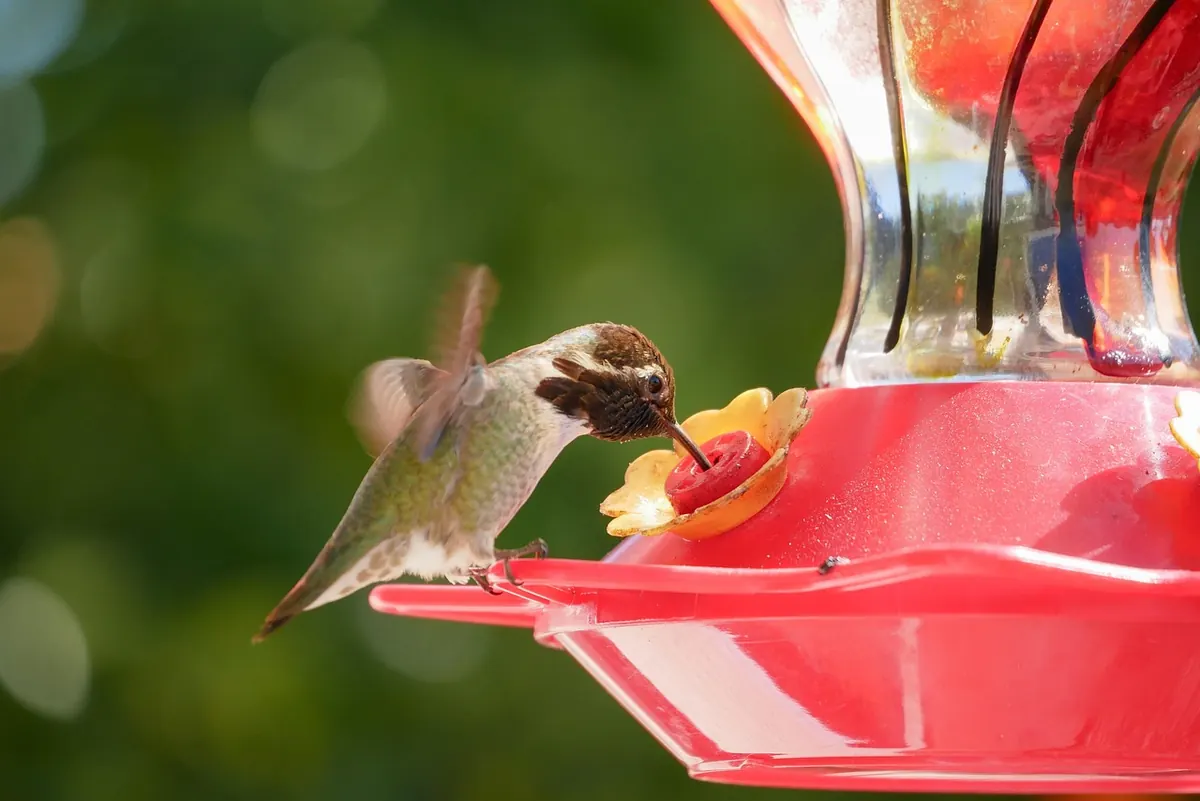
A feeder in the garden is one of the best bargains in birdwatching. A handful of sunflower hearts, a fat ball, a saucer of water, and within days you can have a rotating cast of regulars: blue tits, a robin that arrives the moment you step outside, goldfinches squabbling over nyjer, and the occasional great spotted woodpecker dropping in to inspect the peanuts. Most of what goes wrong is small, and easily fixed. A grubby feeder here, a bag of cheap mix there, a badly chosen hook. None of it looks like a mistake at the time. Here are the ten that come up most often, and what to do instead.
This is the one that matters most. A feeder is a crowded, damp, warm place where birds gather several times a day, and anything infectious passes around quickly. Salmonellosis and trichomonosis, the parasite that has hit greenfinch numbers badly, both spread far more easily where food and droppings sit together on a dirty port.
You do not need a laboratory routine, just a regular one. Work through the feeders with hot soapy water and a bottle brush, rinse thoroughly, and let them dry before refilling. Keep a second set so one can be drying while the other is in use.
Once a week is a sensible baseline; twice a week in mild, damp weather. If you spot a bird looking fluffed up, lethargic, or with a swollen or weepy eye, take every feeder down, clean and disinfect them, and leave them empty for a fortnight so birds disperse and the outbreak can burn out. And never top up a half-empty feeder over old food. Tip it out, shake it, start again.
Good food is not complicated. Birds do well on a short list of staples, and most of the problems come from things we add for our own convenience.
Bread fills a bird up without giving it much, goes soggy, then mouldy, and pulls in rats and gulls. Salt is genuinely harmful to small birds, so no salted crisps, no bacon rind, no gravy-soaked roast scraps. Cooking fat from a roasting tin is a poor substitute for proper suet: it stays soft, coats feathers and does nothing good for waterproofing.
Many cheap mixes are padded out with wheat, split peas and red dari that most garden birds will not eat. They rake it onto the lawn and you pay for the litter. A smaller bag of better food costs about the same in the end.
Peanuts and fat balls stored in a damp shed can grow mould that produces toxins birds cannot cope with. If it smells musty or looks grey, bin it. Buy in small quantities and keep it dry.
Placement causes more trouble than most people expect, because the same spot that gives you a wonderful view can be dangerous for the birds.
Windows are the usual culprit. Either hang feeders within about a metre of the glass, where birds cannot build up speed, or well away from it; the awkward middle distance is where strikes happen. Breaking up reflections helps too. Keep a metre or two of clear ground under the feeders rather than a thick bush a cat can sit beneath, but stay within easy flying distance of a hedge or tree so birds have somewhere to dash. Table and tray feeders work best at roughly waist height, out of reach of rats but easy to see and clean. If a sparrowhawk starts hunting your garden daily, do not panic. It is a sign of a healthy bird population. Moving the feeders closer to cover gives the smaller birds a better chance.
Food gets all the attention, but clean water matters just as much, for drinking and for bathing. A bird with well-kept feathers stays warmer on a freezing night, which is one reason a winter bird bath gets busy.
Use a shallow dish, two to five centimetres deep, with sloping sides and a stone or two for grip. Refresh it daily and scrub it twice a week. In winter, pour on warm water or crack the ice; never add antifreeze, salt or sugar, and skip food colouring. If you would not drink it, do not put it out.
Birds learn your garden and build it into their daily rounds. A reliable supply is genuinely useful through a cold snap, when the natural larder is frozen solid. If you are going away, ask a neighbour to top up, or wind the feeding down gradually over a couple of weeks rather than leaving a mountain of food to rot and then an empty pole. In mild weather, put out only what gets eaten in a day or two.
What falls from the feeder does not disappear. Hulls smother grass, spilled seed sprouts, and damp food goes sour and starts to smell. That is what brings in rats and mice, and a crowded, grubby patch of ground under a feeder is exactly where disease lingers. Rake up every week or two, shift the feeders around the garden now and then so no one spot is used all year, and consider a tray or seed catcher under hanging feeders. No-mess mixes with hulled seeds make a noticeable difference if you feed heavily.
None of this needs to take over your weekend. Refresh water daily, wash feeders weekly, rake below them every fortnight, buy good food in small amounts and keep it dry. Then watch what happens. The birds will tell you quickly whether something is wrong: if food is going untouched, if a bird looks unwell, if the feeder is clogged and damp. Feed well, keep it clean, and the same small patch of garden will keep giving you something to look at all year.
Photo: ZacharyCrespin / Pixabay
Turn a small urban balcony into a proper birdwatching spot with the right feeders, fresh water and a few sturdy pots...
Artificial light disrupts bird migration, breeding and feeding across the UK. Here is how night-time lighting...
October 08, 2026 - Garden Birds
October 06, 2026 - Conservation
Copyright © 2026 Finch Path. All Right Reserved.