Creating a Bird-Friendly Balcony: A Step-by-Step Guide
October 08, 2026 - Garden Birds

October 08, 2026 - Garden Birds

October 06, 2026 - Conservation
September 24, 2026 - Bird Species
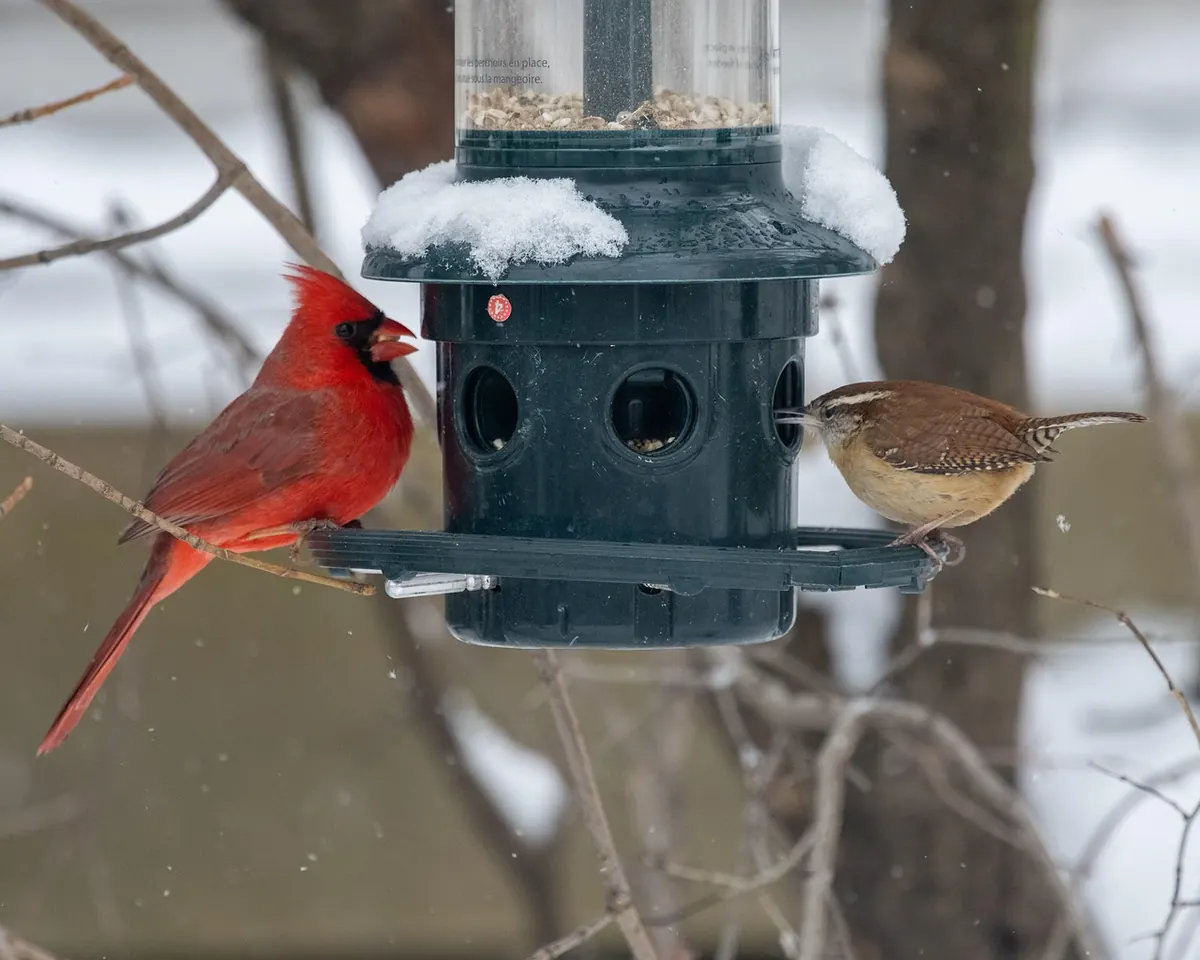
By the time the first hard frost arrives, many garden birds are already working harder for less. Insects have gone dormant, berries are stripped, and daylight is too short for long foraging trips. A reliable feeder takes some of the pressure off—and it gives you a front-row seat to the busiest season in the garden.
But winter feeding is not simply a matter of scattering whatever is in the cupboard. The right foods, offered in the right way and at the right times, can help birds maintain condition through the coldest weeks. The wrong ones can do harm. Here is what to put out, how to build a routine, and what to avoid.
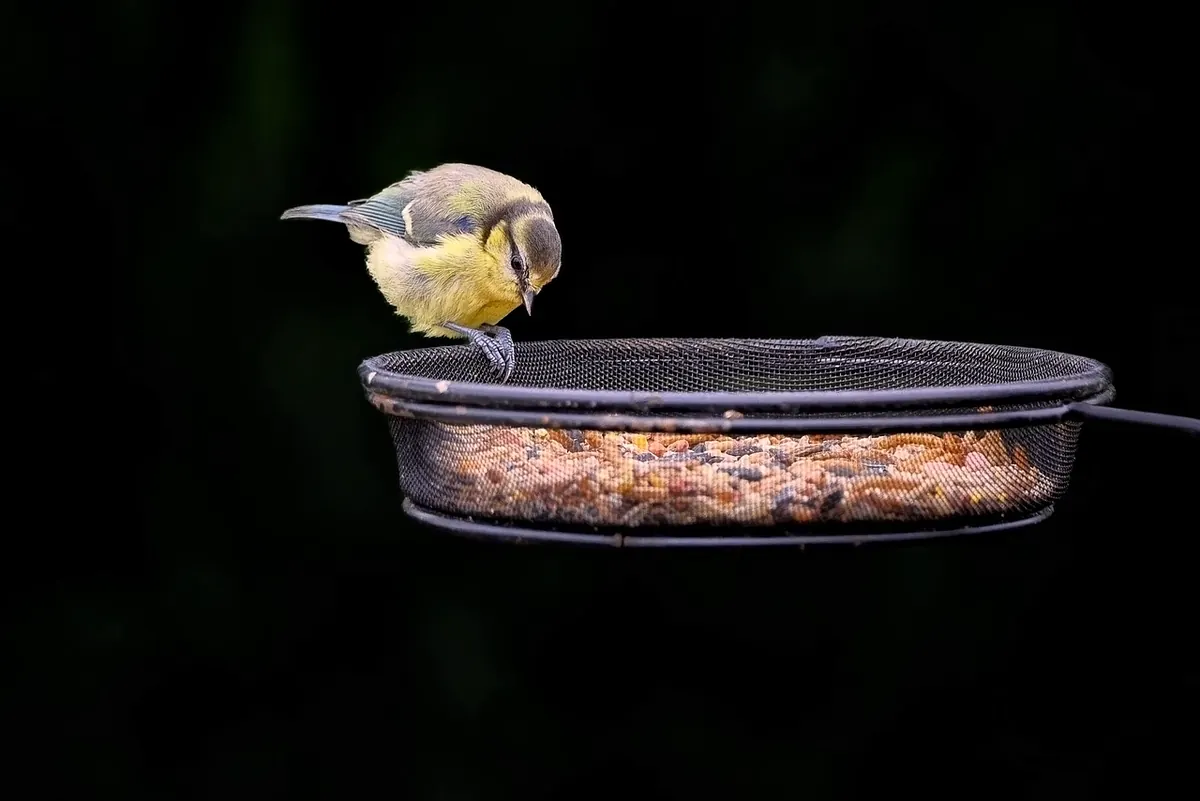
Small birds lose heat quickly. A blue tit can spend much of a cold day simply staying warm, and a long, frozen night demands reserves. High-fat, high-energy food helps them top up those reserves without burning more calories than they gain. Supplementary feeding is not a replacement for good habitat—cover, trees, hedges and insects still matter—but in a cold snap it can be the difference between coping and struggling.
Variety is useful, but energy density matters most. In winter, birds need fat and protein, not bulky fillers.
Where you feed matters as much as what you feed. Put feeders near cover so birds can retreat from sparrowhawks and cats, but not so close that predators can creep up unseen. A hedge or dense shrub a few metres away is ideal.
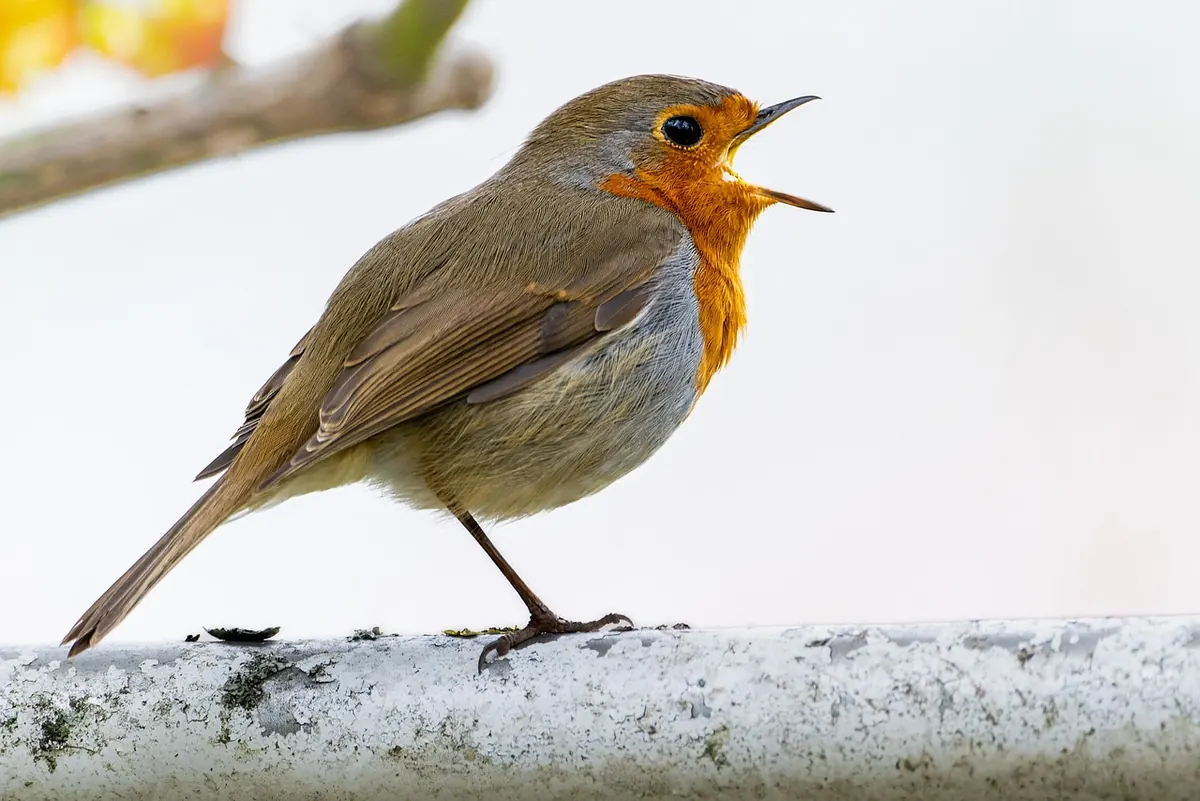
Use different feeders for different birds. Hanging feeders suit tits and finches; a bird table or ground tray helps blackbirds, dunnocks and robins. If squirrels are a problem, choose a baffled or weight-sensitive feeder. Sheltering feeders from prevailing wind and rain keeps food drier and reduces waste.
Position feeders either very close to a window or well away from it, so birds cannot build up speed and strike the glass. If collisions happen, move the feeder or add an external window film.
Birds learn quickly where food appears. Consistency is more valuable than quantity. Feed at first light, when birds are hungriest after the night, and again in the early afternoon so they can top up before dusk.
If you are going away, ask someone to keep the routine going or wind it down gradually rather than stopping suddenly. Once birds rely on a feeder, an empty one can leave them searching at the worst time.
Water can be harder to find than food when everything is frozen. Provide a shallow dish and replace ice with warm—not boiling—water. Keep the dish clean and place it where cats cannot lurk. Birds need water for drinking and for keeping feathers in good condition, which helps them stay warm.
Some kitchen scraps are harmless in small amounts, but several common items are best left out of the garden entirely.
Winter feeding brings birds together, and that can spread disease. Clean feeders and tables regularly with hot soapy water, rinse thoroughly, and let them dry before refilling. Rotate feeders if you have several, and clear away droppings and old food from beneath them.
If you notice birds looking fluffed up, lethargic, or with swollen eyes, stop feeding for a fortnight and clean everything thoroughly. Seek advice from a wildlife rescue or vet if you are unsure. A clean feeding station is a kindness; a dirty one can become a hazard.
Start with two feeders: one filled with sunflower hearts and one with suet. Add a ground tray for blackbirds and a shallow dish of fresh water. Put food out at first light, top up in the early afternoon, and clean everything weekly.
Then watch. You will soon learn which species arrive first, which feeder they prefer, and how the pattern shifts as the weather changes. If you can only do one thing, make it consistency. Birds will do the rest.
Photo: GregSabin / Pixabay
Turn a small urban balcony into a proper birdwatching spot with the right feeders, fresh water and a few sturdy pots...
Artificial light disrupts bird migration, breeding and feeding across the UK. Here is how night-time lighting...
October 08, 2026 - Garden Birds
October 06, 2026 - Conservation
Copyright © 2026 Finch Path. All Right Reserved.