Creating a Bird-Friendly Balcony: A Step-by-Step Guide
October 08, 2026 - Garden Birds

October 08, 2026 - Garden Birds

October 06, 2026 - Conservation
September 24, 2026 - Bird Species
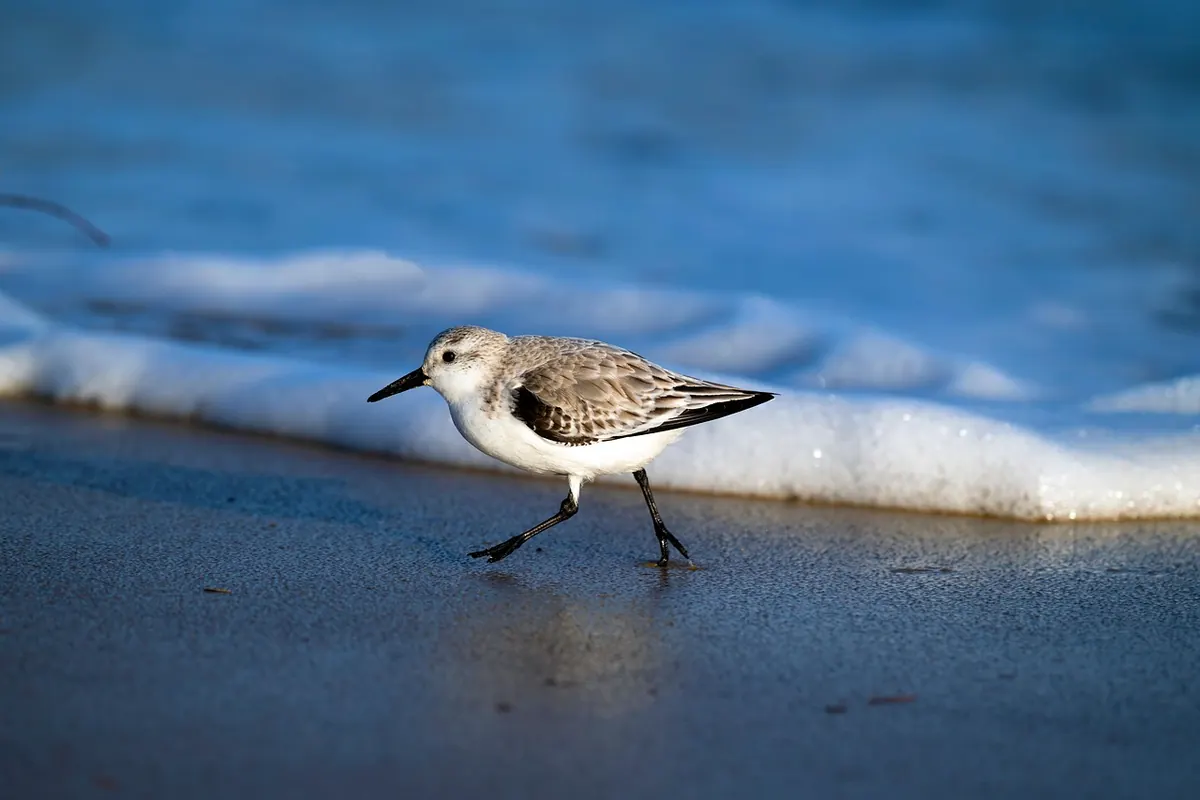
The Norfolk coast rearranges your expectations of what a day's birdwatching can hold. A morning might be spent in a hide watching bearded tits working through the reeds; by late afternoon you could be standing at the edge of The Wash as the tide lifts thousands of waders into the air at once. Between Hunstanton and Winterton there is saltmarsh, shingle, dune and freshwater reedbed, all within a comfortable drive of each other. The trick is knowing which bit to visit, and what the tide is doing when you get there.
Four habitats do most of the work. In the south-west corner, The Wash opens into enormous intertidal mudflats off Snettisham and Hunstanton, where low water exposes mud measured in kilometres. Further east, a shingle ridge runs from Holme through Titchwell and Cley, trapping freshwater marshes behind it. Then come the dunes at Holme and Winterton, and finally the muddy estuarine edges of Breydon Water near Great Yarmouth.
That geography matters because birds move between sea and marsh with the tide. At low water the waders are scattered across the mud, often too far out for a decent view. As the water rises they are pushed towards the shore and onto the lagoons behind the ridge, which is when the reserves earn their reputation. A north-facing coast helps too: autumn gales push seabirds close inshore, and a northerly blow in late September or October can bring skuas, divers and grebes within scope range of the beach.
Tide times are the single most useful thing to check before any trip to this coast. Tables for Hunstanton, Wells, Cromer and King's Lynn are easy to find, and the times can differ by an hour or more between them, so use the one nearest your destination.
Two points are worth understanding. Spring tides, which have nothing to do with the season, are the biggest; they are what makes the Snettisham roost and the marsh pools at Titchwell work at their best. Neap tides leave birds spread out and distant. Second, the water here rises fast across flat ground. Channels fill behind you on the mudflats, and the creeks around Scolt Head and Blakeney can cut off a return path more quickly than people expect.
The practical rule is simple: don't walk out onto exposed mud or sand without a local tide table, and don't assume you will see the water coming. If you are unsure, watch from the bank. Read the coastguard and lifeboat safety guidance for this coastline before heading out onto the flats.
Sandwich and common terns return from late March, with little terns following a few weeks later. Wheatears and the occasional ring ouzel drop onto the dunes, and waders such as whimbrel, bar-tailed godwit and grey plover move through in decent numbers. Bring a scope and give it time.
The breeding season belongs to terns. Blakeney Point and Scolt Head hold colonies of sandwich, common, little and sometimes Arctic terns, and the noise of fish-carrying adults is the sound of a north Norfolk summer. Marsh harriers quarter the reedbeds at Cley and Titchwell, and bearded tits are easiest on calm, still mornings. Stay on marked paths through the dunes and keep dogs close where asked: a flushed colony loses chicks quickly.
The best all-round season. Wader numbers build on the estuaries, terns and skuas pass offshore, and almost anything can appear in the bushes after a northerly or easterly wind. Sheltered hedges and the pine belt at Holkham, Wells and Winterton repay slow, quiet checking.
This is wildfowl country. Pink-footed geese fly out to the fields at dawn and return to the marshes at dusk, brent geese graze the saltmarsh, and wigeon, pintail and goldeneye gather on the estuaries. Hen harriers and short-eared owls hunt the grazing marshes late in the day, while snow buntings and shorelarks feed along the tideline.
Binoculars around 8x42 will serve you everywhere; a telescope is a genuine advantage on the estuaries and for sea-watching. Beyond that, the coast rewards boring practicality:
Photo: Georg_Wietschorke / Pixabay
Turn a small urban balcony into a proper birdwatching spot with the right feeders, fresh water and a few sturdy pots...
Artificial light disrupts bird migration, breeding and feeding across the UK. Here is how night-time lighting...
October 08, 2026 - Garden Birds
October 06, 2026 - Conservation
Copyright © 2026 Finch Path. All Right Reserved.