Creating a Bird-Friendly Balcony: A Step-by-Step Guide
October 08, 2026 - Garden Birds

October 08, 2026 - Garden Birds
October 06, 2026 - Conservation
September 24, 2026 - Bird Species
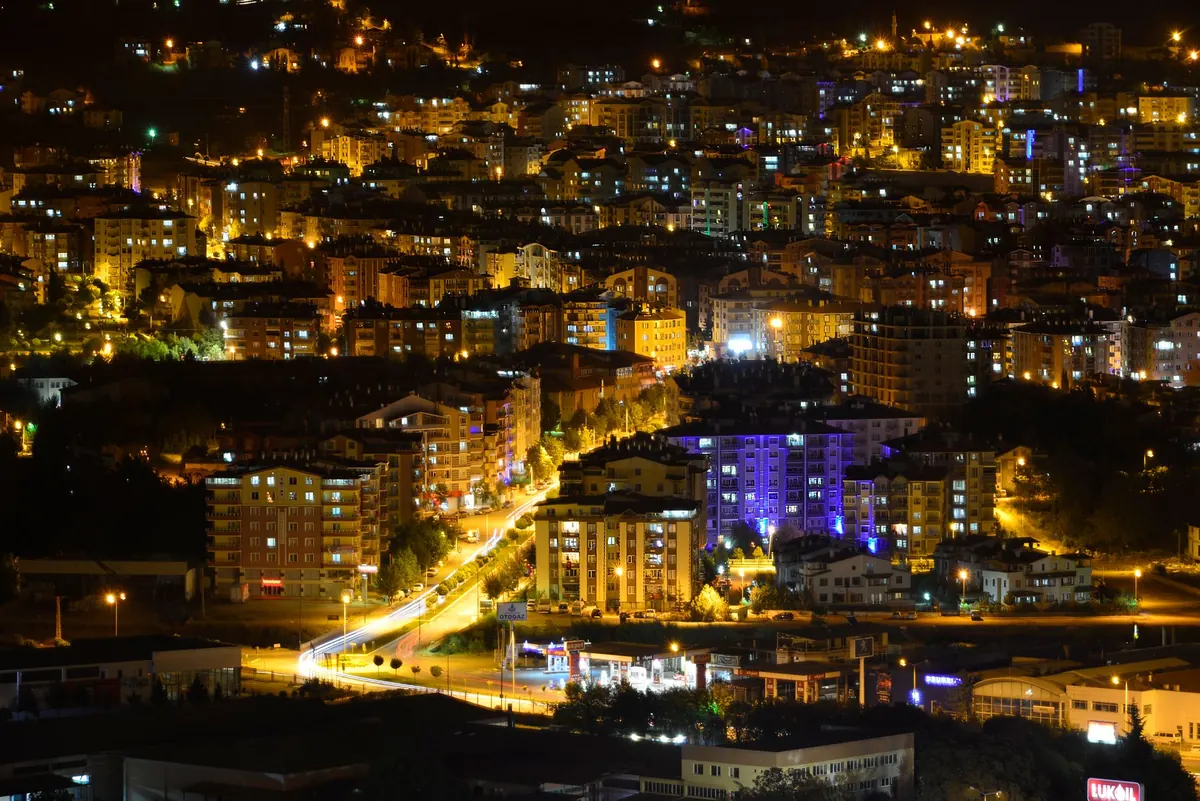
Step outside on a clear night in most British towns and you will not see many stars. You will see an orange glow instead, thrown up by streetlights, security lamps, car parks and porch lights. That glow is pollution, and birds pay for it.
Light at night is one of the quieter pressures on UK bird populations. It does not make headlines the way habitat loss does, and it is harder to photograph than a nest full of plastic. But it is real, it affects garden birds as much as scarce migrants, and — unusually for a conservation problem — much of it can simply be switched off.
Birds read light. Day length tells them when to sing, when to breed, when to moult and when to leave. Artificial light stretches the day at both ends, and birds respond as though the sun has come up early or gone down late.
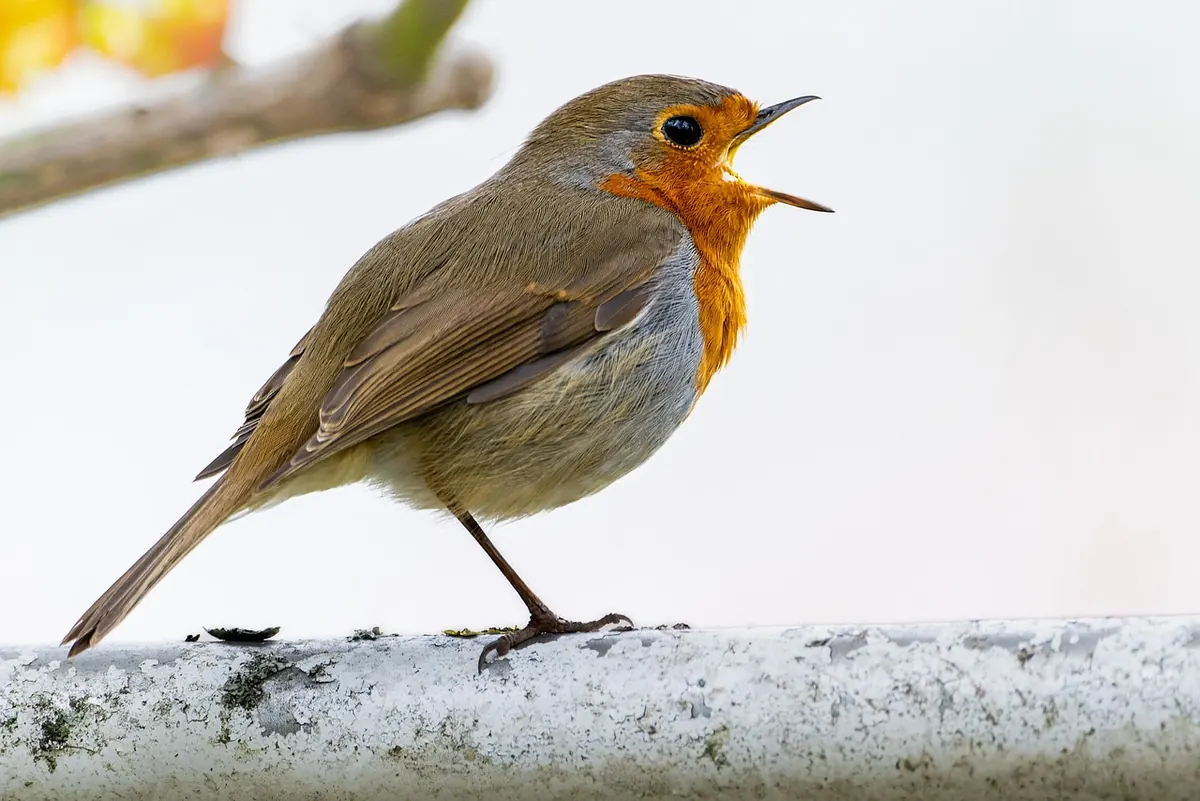
The most familiar result is night singing. Robins and blackbirds will sing under streetlights long after dusk, and again well before the real dawn. It sounds lovely. For the bird it is work: energy spent defending a territory at an hour when insects are not flying and it should be resting. A study in Sheffield found that robins in lit areas sang earlier and for longer than those in dark ones, and that their dawn chorus started up to an hour and a half before sunrise. That is an hour and a half of lost sleep, every night, through the breeding season.
Song is only the obvious sign. Lighting also shifts where birds roost, how early they begin foraging, and how long adults spend away from the nest. None of it is disastrous on its own. Repeated night after night across a whole street or estate, it adds up. A garden blackbird that starts hunting for worms at 3am because a security light has convinced it that dawn has broken may be too tired to feed its chicks properly later that morning.
Many of the birds we think of as winter visitors travel at night. Redwings and fieldfares arrive on dark autumn air; song thrushes, warblers and pipits cross the country after sunset. Navigation leans on magnetic sense and celestial cues — in effect, a young bird calibrating its route against the stars.
Bright light interferes with that. Migrants are drawn towards illuminated structures, circling them until they are exhausted, or pushed off course into unfamiliar ground where food and shelter are harder to find. Glass on lit buildings causes collisions, and light combined with glass is worse than either alone. In North America, where the issue has been studied for decades, hundreds of thousands of birds die each year after hitting lit skyscrapers. In the UK the problem is smaller but still significant: think of the Birds Eye factory in Grimsby, the illuminated cranes along the Thames, or the floodlit football stadiums that draw swifts and swallows on autumn evenings.
Coastal towns matter too. Manx shearwaters, storm petrels and puffins leave their burrows at night, and their young fledge in darkness. Fledglings are easily pulled inland by lit streets and promenades at the very moment they should be heading out to sea. If you live near a seabird colony, keeping outdoor lights off during the fledging weeks is one of the kindest things you can do. On the Isles of Scilly, a simple "dark skies" campaign asking residents to draw curtains and switch off unnecessary lights has been credited with reducing shearwater strandings by a significant margin.
In spring the effect shifts to nesting. Birds in brightly lit places often start singing and displaying earlier than those in dark ones, and may claim territories sooner. That sounds like an advantage until you think about the chicks.
Nestlings need insects, and insect timing is driven largely by temperature and plant growth rather than by light. A pair that nests early can end up feeding young through a cold snap when caterpillars are scarce. Lighting is not the whole story — a warming climate has far more to answer for — but it is the part you can do something about tonight. There is also evidence that blue tits in lit areas lay eggs earlier, but their chicks may fledge before the peak in caterpillar numbers, creating a mismatch that reduces breeding success.
Direct light also changes the behaviour of the insects that many birds depend on. Moths, beetles, crane flies and midges are all drawn to streetlamps and garden security lights, where they circle until they drop. A single bright LED can attract dozens of insects on a warm summer night. For a bat or a hedgehog that might be a windfall, but for the insects themselves it is a trap. Moths that should be feeding on night-scented flowers or laying eggs are instead exhausted by dawn, and many die before they can breed.
Why does that matter for birds? Because insects are the engine of the food chain. Blue tits alone need around 100 caterpillars a day to raise a single brood. If lighting reduces moth numbers, it reduces the food available for nocturnal feeders like nightjars and for daytime birds that rely on insect protein. Robins, wrens and dunnocks will all take moths and other insects when they can find them. A street that is bright all night is a street with fewer insects, and therefore fewer birds.
Roosting is affected too. Many birds, from starlings to pied wagtails, gather in communal roosts in trees, on buildings or under bridges. Artificial light can make these roosts less safe by exposing birds to predators, or by disturbing their sleep. Some species, like the blackbird, may abandon a roost site altogether if it becomes too bright.
The good news is that light pollution is one of the few environmental problems you can tackle immediately, often without spending a penny. Here is how to make a difference where you live.
None of these steps will save a species on its own. But light pollution is cumulative: every switched-off lamp reduces the glow a little. If enough people on a street or in a village act together, the effect is measurable.
It is easy to think of dark skies as an aesthetic issue — a nice thing for astronomers and stargazers. But the science is clear that artificial light at night is an ecological problem. It disrupts the behaviour of birds, insects, bats, amphibians and even plants. In the UK, where almost nowhere is truly dark, the impact is spread across the whole country, from city centres to remote moorland.
There is also a human dimension. Light pollution wastes energy and money, and it has been linked to sleep disruption in people. Reducing it is a rare win-win-win: for wildlife, for our own health, and for the climate.
“The night sky is one of the most accessible wonders of the natural world. Losing it to careless lighting is a loss for every species that depends on darkness — including us.”
So next time you step outside and see that orange glow, remember what it costs. Then go back in and switch off a light. It is a small act, but the birds will thank you.
Photo: Melike B / Pexels
Turn a small urban balcony into a proper birdwatching spot with the right feeders, fresh water and a few sturdy pots...
Apps and field guides each win in different conditions. Here is how UK birders can weigh up speed, accuracy, battery...
October 08, 2026 - Garden Birds
October 06, 2026 - Conservation
Copyright © 2026 Finch Path. All Right Reserved.