Creating a Bird-Friendly Balcony: A Step-by-Step Guide
October 08, 2026 - Garden Birds

October 08, 2026 - Garden Birds

October 06, 2026 - Conservation
September 24, 2026 - Bird Species
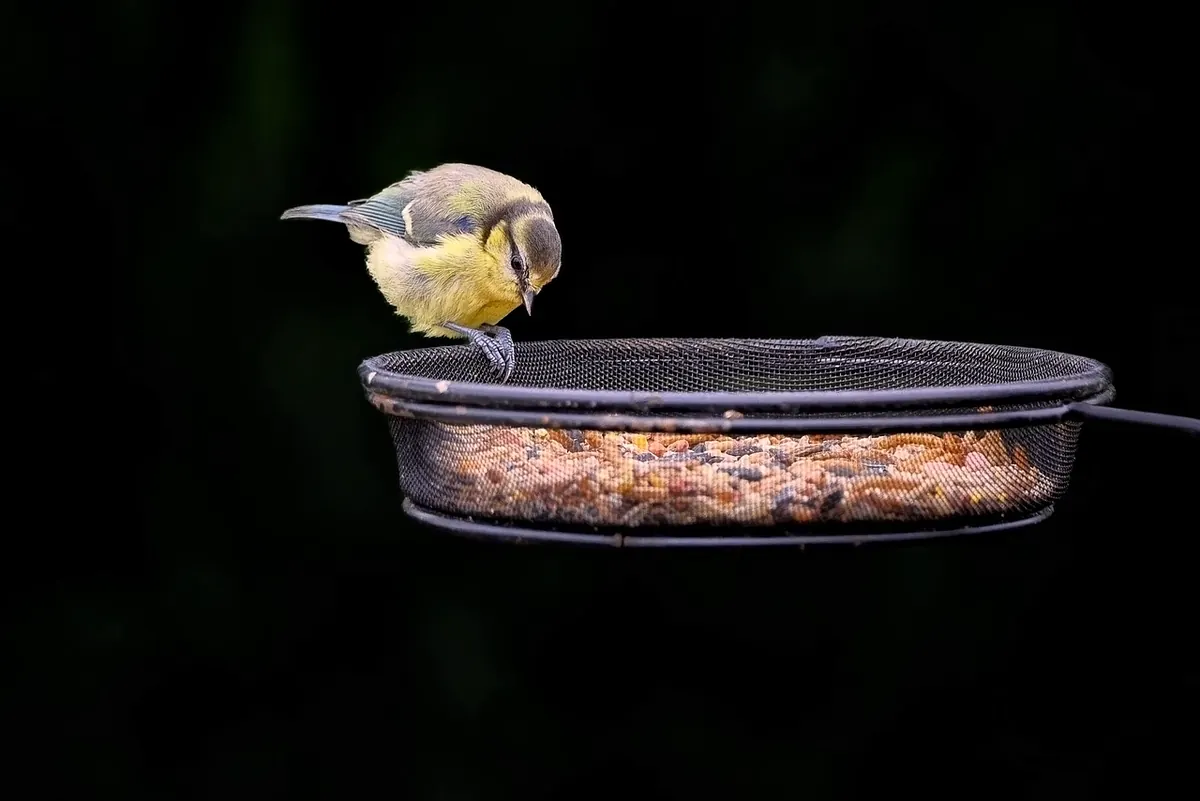
A balcony can be a surprisingly good place to watch birds. Even four floors up, in the middle of a city, a hanging feeder and a shallow dish of water will pull in blue tits, goldfinches, house sparrows and the occasional starling. What you cannot do is copy a garden. There is no soil, no hedge, and very little shelter. So work with what you have: a rail, a windowsill, a bit of vertical space, and the patience to let the birds find you.
Below is a practical order of work, from the first feeder to the small housekeeping jobs that keep birds healthy and neighbours on side.
Before you buy anything, stand outside for five minutes and look around. Which way does the balcony face? A south-facing ledge bakes in summer and dries out compost fast; a north-facing one stays damp and shaded. Is there a prevailing wind that will whip a lightweight feeder against the glass? Is there any greenery nearby — a street tree, a park, a neighbour's climber? Birds follow cover, so a balcony overlooking a few trees will fill up far quicker than one surrounded by bare brick.
Height matters too. On a first-floor balcony next to a courtyard, robins and blackbirds will drop in and rummage. On the tenth floor, expect the acrobats: tits, goldfinches, starlings and the occasional collared dove. Anything else is a bonus.
Pick two or three features and do them well — a feeder, clean water and one decent-sized pot is a stronger setup than six half-hearted additions.
You do not need a feeding station. A clamp-on rail bracket, a tension pole wedged between floor and ceiling, or a hook that slips over the balcony rail will hold everything you need, and none of them require drilling into a shared wall. Suction-cup window feeders work well if the glass is clean and the tray is small — just check it has not slipped after a warm afternoon.
Position feeders where you can see them from a chair, but out of the worst of the wind and rain. Keep them clear of anything a cat could launch from, and think about the window itself: feeders placed within about a metre of the glass, or more than three metres away, cut the chance of a bird hitting the pane at speed. A couple of decals do no harm either.
What to leave out: bread, salted or roasted nuts, milk, and any leftovers that have seen a seasoning jar. In hot weather, keep fat feeders out of direct sun and swap the contents often.
Water is the item most balconies forget, and it often brings in birds that never touch a feeder. Use a shallow dish — roughly two to five centimetres deep — with gently sloping sides, and drop in a couple of clean stones so small birds can perch and drink without getting soaked.
Refresh it daily and scrub the dish with hot soapy water once a week, as you would a feeder. When frost is forecast, keep a second dish indoors and swap them over so there is always something liquid outside. Plain water is all birds need; there is no benefit in adding sugar, colouring or anything else.
You are not going to recreate a hedgerow in three containers, but a few well-chosen plants give birds somewhere to wait before they commit to the feeder, and they pull in the insects that young birds need.
Herbs are the easiest win: rosemary, thyme and oregano cope with wind, need little water and flower generously. Lavender and catmint do the same job and hum with bees through summer. If you have room for a larger pot, honeysuckle or ivy gives cover and berries, and a clump of teasel or ornamental grasses left standing over winter will hold seed heads that finches will pick at for weeks.
Two practical notes. Choose low, bushy plants rather than tall spindly ones that snap in the wind. And remember that a big pot full of damp compost is heavy — spread the weight across several smaller containers rather than one enormous one, and check what your balcony is able to take.
Most balcony birdwatching goes wrong in one of two ways: something gets attached to the building without permission, or seed ends up on someone else's washing.
Feeders need a wash every week or two with hot soapy water, a good rinse and a proper dry before refilling. Rotate two feeders if it makes the job easier, and throw away any food that is damp, clumped or mouldy. Wash your hands afterwards.
If you notice a bird looking fluffed up, sleepy or dull-eyed, take the feeders down for a fortnight, clean everything thoroughly, and let the site rest before putting them back. Window strikes and cats are the other two risks worth managing: adjust feeder positions, add decals to the glass, and never hang a feeder somewhere a cat can sit within jumping distance.
Do not read too much into a quiet first fortnight. Birds find new food by watching other birds, so a balcony can sit empty for a while and then fill up in a single morning. Keep the water fresh, keep the feeders clean, and let the visitors do the advertising.
Photo: ambquinn / Pixabay
Artificial light disrupts bird migration, breeding and feeding across the UK. Here is how night-time lighting...
Apps and field guides each win in different conditions. Here is how UK birders can weigh up speed, accuracy, battery...
October 08, 2026 - Garden Birds
October 06, 2026 - Conservation
Copyright © 2026 Finch Path. All Right Reserved.